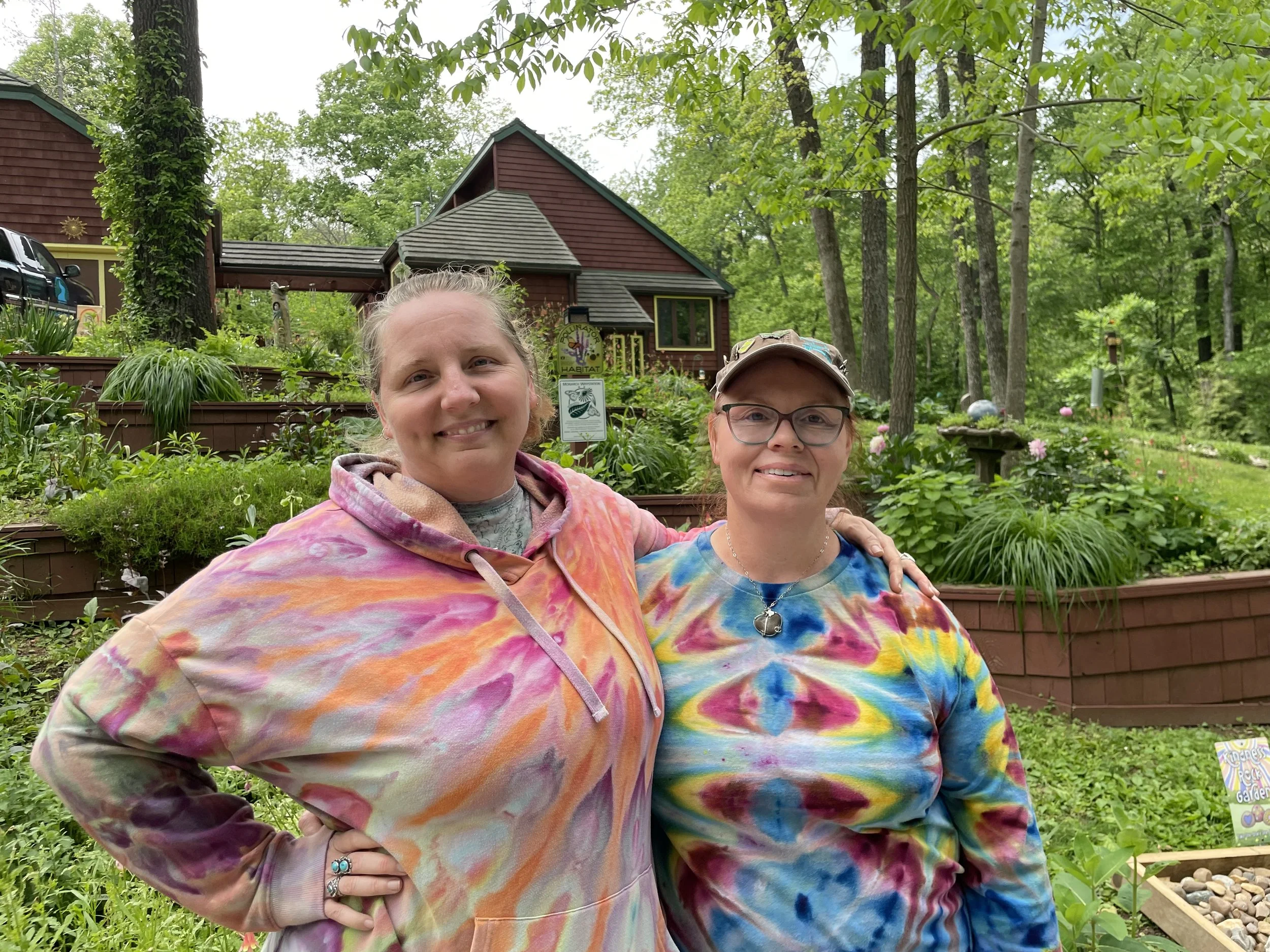
One of my favorite parts of working at James River Basin Partnership is getting to meet people who care deeply about the places they call home. Every yard has a story, and after spending an afternoon with Erika and Autumn, I was reminded that some of the biggest impacts on our watershed begin right outside our back door.
When they purchased their home in 2020, the yard had been neglected for years. Overgrown invasive plants, old trash, and forgotten garden beds covered what neighbors remembered as a once beautiful landscape. Several told them about a previous homeowner who loved to garden and was known for sharing hostas throughout the neighborhood. Those stories inspired Erika and Autumn to bring that spirit of stewardship back to the property.
As they cleared away years of debris they uncovered hostas, irises, and other plants that had simply been waiting for another chance to grow. Little by little, the yard began to come back to life.
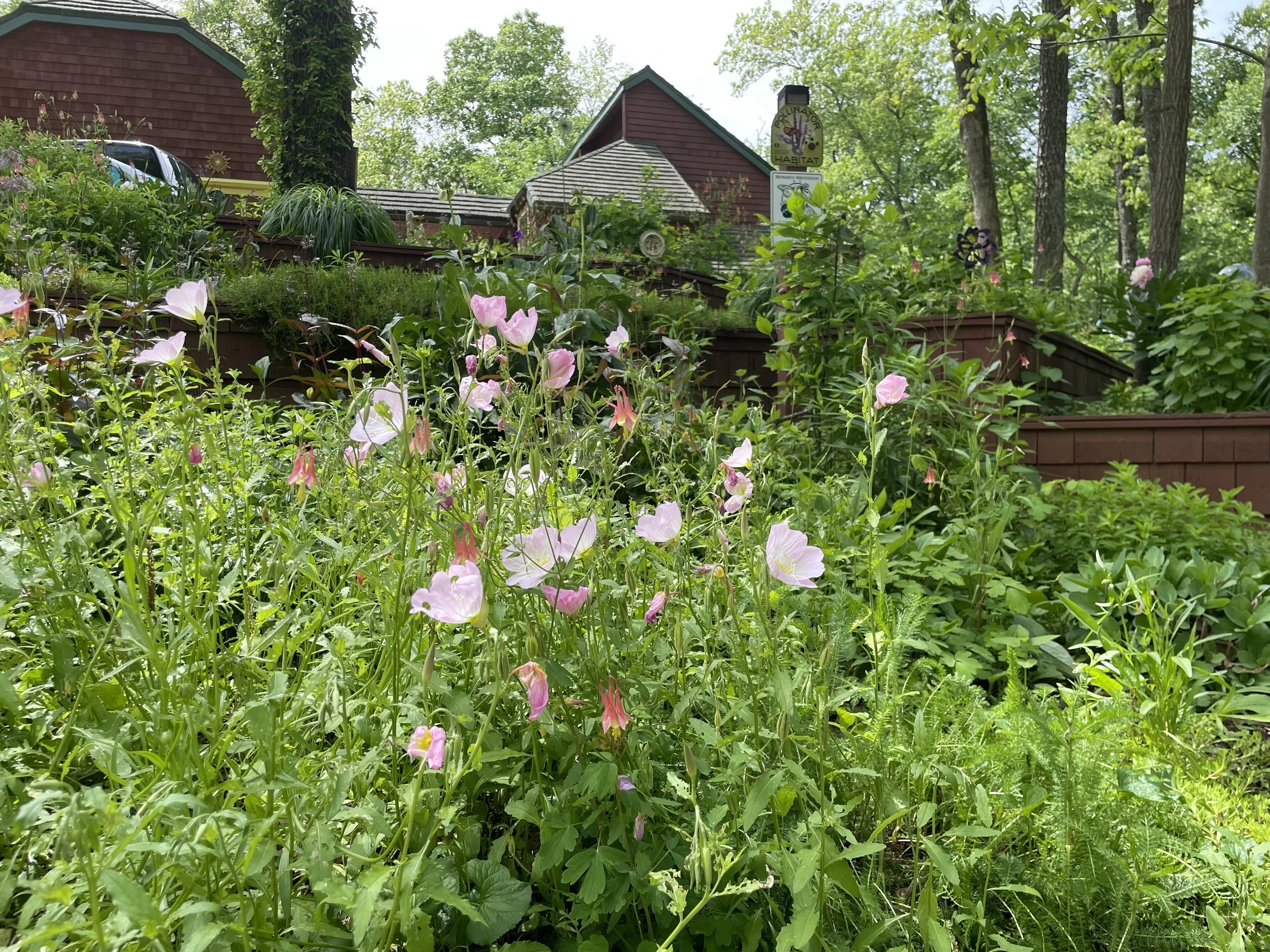
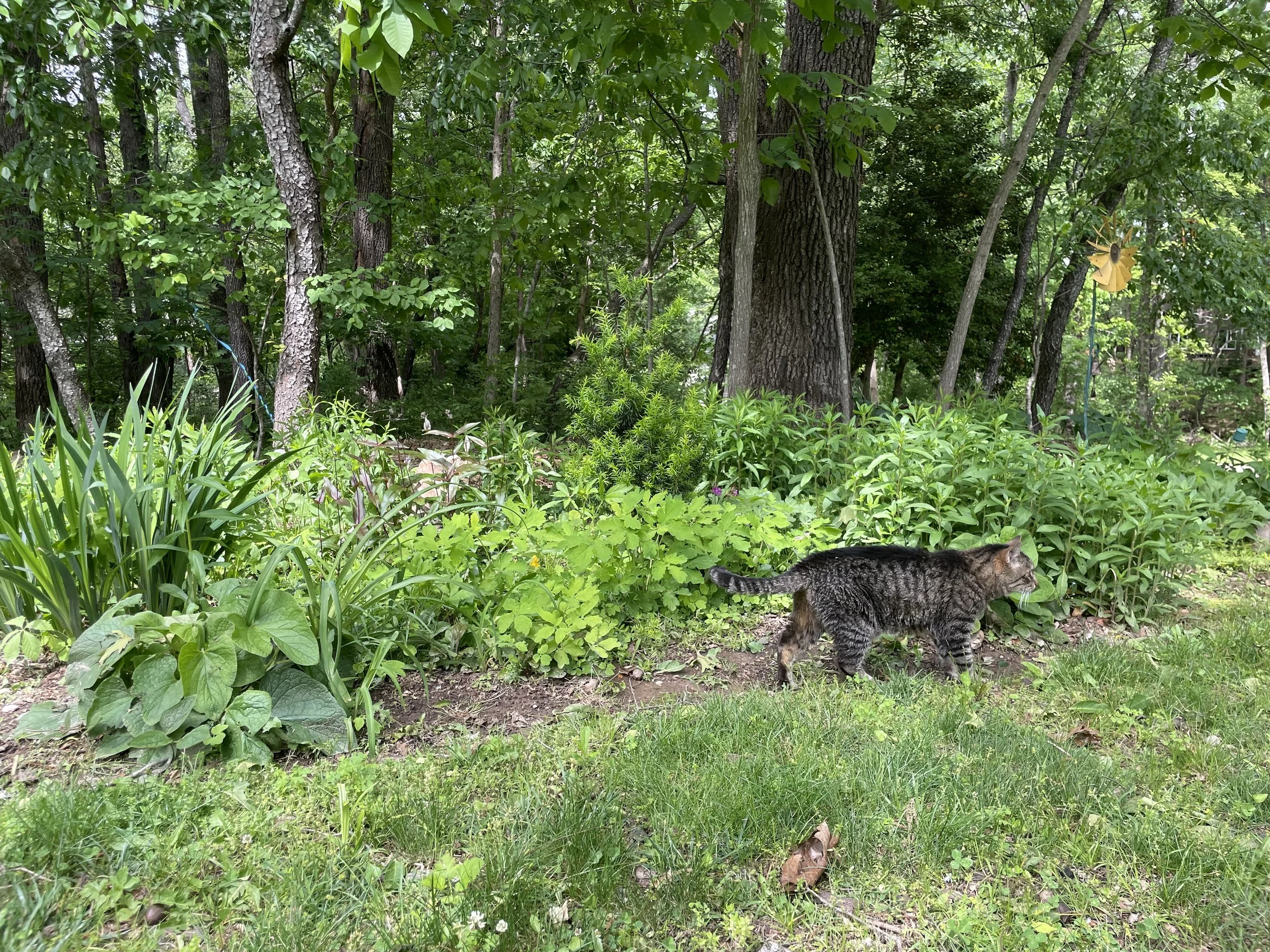
Today, their landscape is filled with native plants, pollinators, birds, and thoughtful practices that help protect water quality. Because rainwater from their property eventually flows toward the James River, they are intentional about how they care for their yard. They avoid unnecessary chemicals, collect rainwater, and look for ways to work with nature instead of against it.
That same curiosity led them to participate in JRBP's Lawn Steward Soil Testing Program.
Like many homeowners, they had an idea about what their lawn needed, but they wanted to know for sure. After receiving their soil test results and nutrient management recommendations, they realized one of their biggest assumptions was wrong.
"We thought we needed lime," Erika told me with a laugh.
The soil test showed them otherwise.
Instead of guessing, they were able to make informed decisions based on their soil sample test results. It is a simple step that can save homeowners money while also preventing excess nutrients from washing into our streams and rivers.
As we walked through the gardens, our conversation drifted from soil health to something even bigger.
Community.
Plants are shared with neighbors. Extra produce is given away. Gardening conversations become opportunities to encourage others to plant natives, install rain barrels, or simply spend more time outside. Their enthusiasm for caring for the land has a way of inspiring the people around them.
When I asked what advice they would give someone just getting started, Autumn shared a phrase that has stayed with me ever since.
"Sleep, creep, leap."
The first year, plants sleep. The second year, they creep. By the third year, they leap.
It was such a gentle reminder that nature doesn't rush. Healthy soil, thriving lawns, and even our own knowledge take time to grow. We don't have to do everything at once. We just have to start somewhere.
Before I left, they handed me a painted rock from a small community rock garden they had started. Neighbors are invited to paint a rock, leave one behind, or take one with them. It felt like such a fitting way to end the afternoon. A small act of kindness, shared with others, just like the plants, knowledge, and encouragement they freely give.
Their story is a reminder that protecting our watershed doesn't always start with a large project. Sometimes it starts with restoring a yard. Sometimes it starts with a conversation over a neighbor’s fence. And sometimes, it starts with something as simple as testing your soil.
Every small step adds up, and together those steps help create a healthier James River Watershed for all of us.
For detailed information about the Lawn Steward Soil Testing Program please visit https://www.jamesriverbasin.com/lawn-steward.

