Thanks to a grant from Major League Fishing's Fisheries Management Division and Zoeller Pump Company's “We Work For Water” initiative, JRBP will continue offering septic pumpout rebates to homeowners throughout the James River watershed. For anglers who care about clean water and healthy fisheries, maintaining a septic system is one of the simplest ways to protect our local waterways.
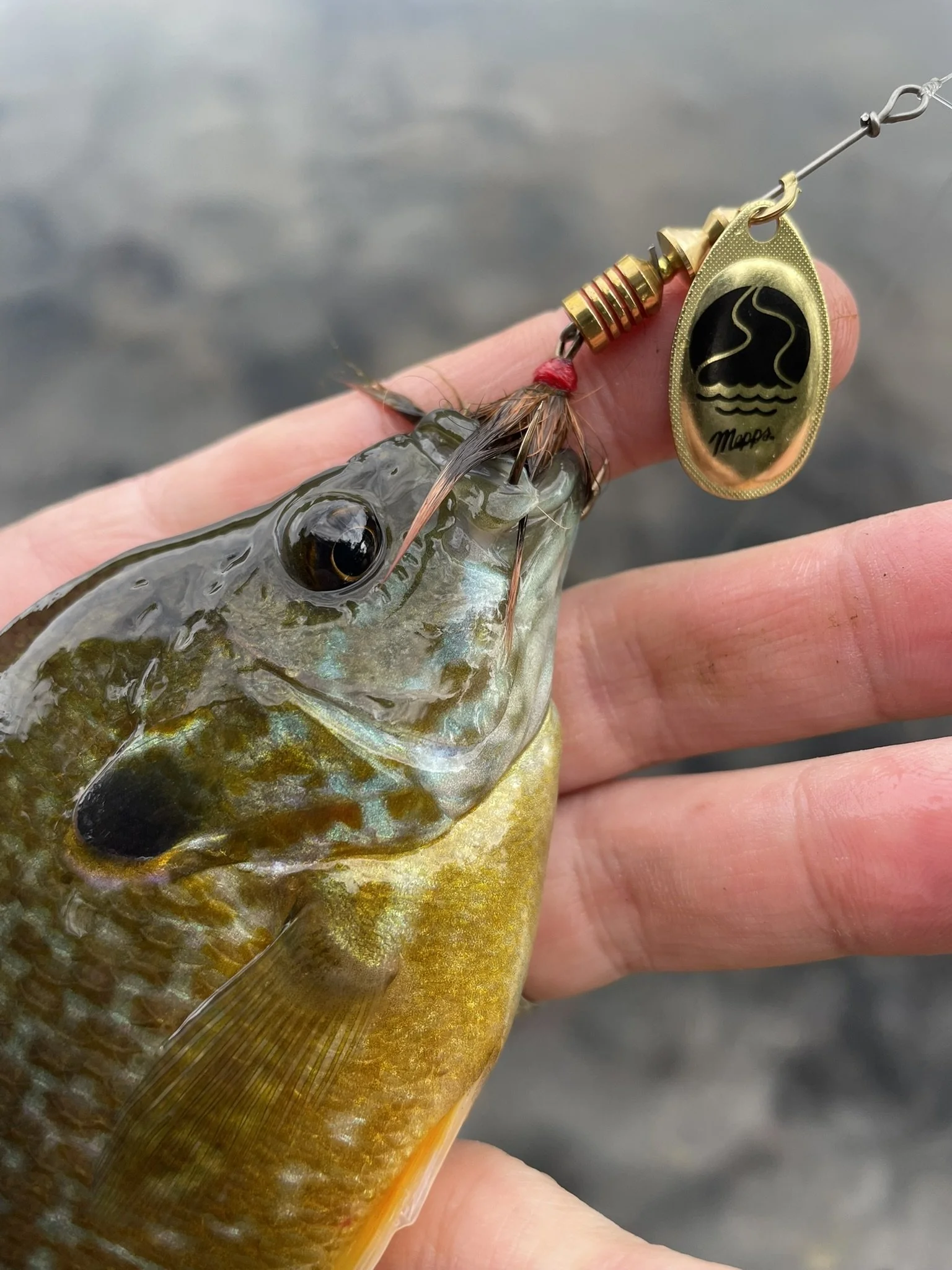
Savvy anglers are typically tuned in to what’s going on with their local water bodies. Water quality, quantity, and habitat directly affect the health of fish populations and angler success. Healthy aquatic ecosystems support thriving fisheries and better days on the water. When the fish win, we win. However, managing these ecosystems is quite complex, especially when you’re dealing with large reservoirs and sprawling watersheds. Recreational users are often some of the first to recognize an emerging issue. Divers and anglers are quick to sound the alarm when water clarity begins to deteriorate. Swimmers, tubers, and water skiers are going to find a new vacation destination when beaches and coves are frequently posted with swim advisories.
Most anglers are aware that protecting their favorite water bodies goes beyond abiding by creel limits and implementing catch and release practices. For some, the scope of the problem that their river or reservoir is facing seems too daunting, especially when it comes to things like high levels of E. coli or algal blooms. The truth is that we can all make a positive impact on the health of our local aquatic ecosystems. Sometimes we just need someone to point us in the right direction.
Over the years I’ve spoken to a number of local angling groups, and I’m often asked for ways that anglers can contribute to local conservation efforts. My list typically starts out with things that are fairly well-known among the angling community:
· Know the rules and regulations for the bodies of water you fish. Trust the biologists; length and possession limits are set for a reason.
· Don’t dump bait or move fish from one body of water to another.
· Clean, drain, and dry your boat and equipment to prevent the spread of aquatic invasive species.
· Do your part to pick up litter and discarded fishing line whenever possible.
What follows are the things that I believe most people often overlook, but they make a big difference in local water quality.
· Pump your septic system at least every 3 to 5 years.
· Take a soil test to avoid overfertilizing lawns and pastures.
· Pick up after your pets both at home and in public spaces.
· If you own property, preserve streamside vegetation and enhance it where possible.
· If you have livestock, utilize local cost-share funds to implement alternative watering sources, managed grazing systems, and riparian area protection.
· Consider utilizing rainwater harvesting, native plants, or alternatives to impervious pavement wherever possible to help slow down, soak in, and spread out stormwater.
Obviously, some of those latter recommendations don’t apply to everyone, but the goal is to get people thinking about what they can do at home and the potential impact they are making upstream.
Septic systems, formally referred to as onsite wastewater treatment systems, are an often overlooked and neglected piece of infrastructure. However, routine maintenance is critical, not only to avoid costly repairs or premature replacement, but also to protect surface and ground water. Without routine maintenance, these systems release untreated nitrogen, phosphorus, and bacteria that easily travel through our porous karst topography and into our local waterways.
Since the early 2000’s, JRBP has offered septic pumpout rebates to citizens of the James River watershed. Over the last quarter of a century, this program has been funded by various grants and community partners to protect our local drinking water, recreation, and wildlife. This past summer, JRBP was the recipient of an $11,000 grant from the Major League Fishing Fisheries Management Division and Zoeller Pump Company's “We Work For Water” initiative. Those funds will allow us to continue to provide a financial incentive and homeowner education for residents throughout the basin. We are incredibly grateful that these two industry leaders recognize that conservation starts upstream.
As anglers and outdoor enthusiasts, we must consider ways that we can give back to wildlife and the wild places that they call home. I encourage you to consider ways that you can protect local water quality in your own backyard. If your home has a septic system, protect your home waters and apply for a Zoeller-sponsored Fresh Flush septic pumpout rebate today.
For more information on our septic pumpout rebate program, please visit jamesriverbasin.com/septic or give us a call at (417) 380-9625.